Snacking is not just about satisfying hunger between meals; it is also about enjoying flavors, socializing, and exploring a diverse range of tastes.
Snacking is not just about satisfying hunger between meals; it is also about enjoying flavors, socializing, and exploring a diverse range of tastes. Furthermore, in India, snacks hold significance across various moments, forging deeper connections among Indians.
Indians share an enduring affection for snacks, indulging in a variety that spans from the crispy samosas and aloo bhujiyas to flavorful masala papads, nuggets, and fries.
These delectable treats have seamlessly integrated into the fabric of Indian culinary culture, becoming an indispensable part of daily life. Moreover, being a snacking nation with an ancient snacking culture that has evolved because of its unique geography, climate, and history, India has a vibrant segment of snack offerings.
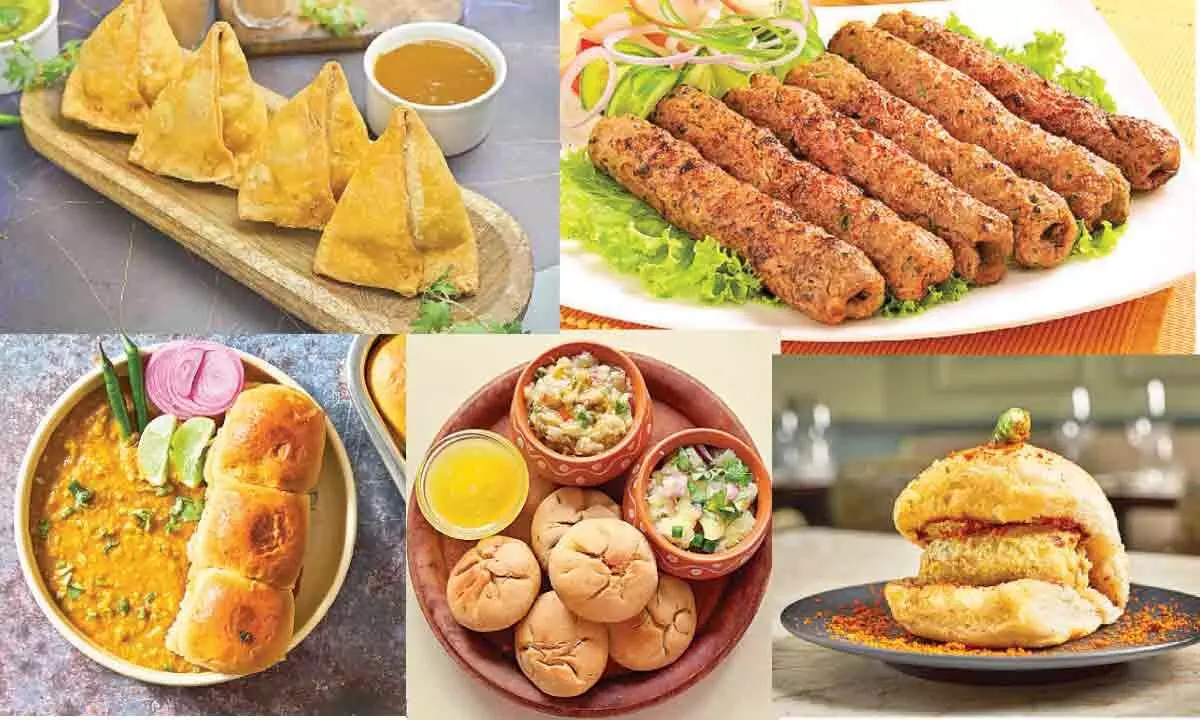
Providing an interesting and comprehensive analysis of the evolving culinary landscape, showcasing Indian snacks and Indian love for snacks, Godrej Food Trends Report 2023 mentions some of the iconic snacks of India like Samosa, Vadapav, Idli, Kabab, Momos, Litti, Chow Mein, and Pav Bhaji.
Samosa
Samosa, despite of being a non-Indian snack, is one of the favourites amongst Indians. Samosa was introduced to India during the Delhi Sultanate by the cooks and traders from the Middle East and Central Asia where accounts of Sanbosag and Samsa from Turkish and Persian cuisine can be found in as early as the 10th century.
Chef Ajay Chopra believes, “Post COVID, well-being has become non-negotiable, and the world is moving towards health in a greater way. We are a country that loves fried food and will still have the vada pav and samosa, but people are turning towards more healthy options like nuts and non-fried options.”
Vadapav
The popular Mumbai snack was invented in 1966 by Ashok Vaidya, a Marathi snack vendor in Mumbai. The snack was an instant hit wherein he created vadapav with batata vada and ladi pav – two city staples. When mills started closing in 70s and 80s many unemployed mill workers opened vadapav stalls thus exploring the new street food culture.
Idli
Food historian believed that Idli was adapted from the Indonesian kedli around 800-1200 CE, when it was ruled by Hindu Kings of Shailendra Isayana. The ancient texts of Karnataka like Vaddharadhane of 920 CE and Manasollasa of 1130 CE mention similar dishes called Iddalage and iddarika.
Kababs
Kababs are believed to be originated in Turkey. They were introduced to India by Afghan invaders and popularized by Mughals. However, according to lbn Battuta, Kababs were found in the royal Indian kitchens in as early as 1200 AD.
Momos
Momos came to India with Tibetan refugees in the 1960s and are savoured across the country today.
Litti
Litti was first introduced in Magadh, an ancient kingdom in Southern Bihar. Later during the reigns of Tantia Tope and Rani Lakshmibai, it became an important wartime meal. Today, Litti Chokha is a staple in Bihar.
Chow Mein
Several Chinese workers migrated to Calcutta in the trade route from China to Britain in the 18th century. Many would then sell the food of their homeland including Chow Mein in the city adapting their dishes to suit Indian tastes.
Pav Bhaji
Pav Bhaji was a result of the American Civil War. Since the war caused spike in the demand of cotton there. Therefore, the hungry traders collected the excess bread from Jesuit preists, added a spicy bhaji of assorted mashed vegetables and thus this iconic snack was invented.
Rushina Munshaw Ghildiyal, Managing Director, a Perfect Bite Consulting and Curating Editor of the annual Godrej Foods Trends Report says, “Indian snacks are more than just food. They are a way for us to express our love of spices, our nostalgia for childhood, and our joy of community. When we eat Indian snacks, we are not just satisfying our hunger, but also celebrating our culture and our shared heritage. As I have said in the 2023 edition of the report, with the pandemic having impacted how we consume food, today, it is all about the food of our ancestors, nostalgia-driven dishes, and local, regional foods of India. Health has become the cornerstone of all our food-related decisions, but we Indians still love to snack especially Vada Pav or Samosa.”
Reuben and Peggy’s jobs are not top secret in the way top secret jobs usually are. They don’t have guns, for example – and the grey conference table they sit at is much the same as you’d find in any office in the UK. They even have LinkedIn profiles that tell you their job titles. But this is where things get odd: search the name of the company they work for – a name I have agreed not to print – and you’ll find little information about the work Reuben and Peggy do. You could click through every page on their company’s website and leave with no idea that it creates the most beloved crisp flavours in the world.
Reuben and Peggy are not their real names. Reuben is a snacks development manager and Peggy is a marketer, and they work for a “seasoning house”, a company that manufactures flavourings for crisps.
I meet the pair on Zoom, hoping they can answer a question that has consumed me for years. In January 2019, I was visiting Thailand when I came across a pink packet of Walkers with layered pasta, tomato sauce and cheese pictured on the front. Lasagne flavour, the pack said. You can’t get lasagne Walkers – or Lay’s, as they are known in most of the world – in Italy. Relatively speaking, Italians have a small selection of Lay’s – paprika, bacon, barbecue, salted and Ricetta Campagnola, a “country recipe” flavour featuring tomato, paprika, parsley and onion. I’ve sampled Hawaii-style Poké Bowl crisps in Hungary and chocolate-coated potato snacks in Finland; I have turned away from Sweet Mayo Cheese Pringles in South Korea. So why can you get lasagne flavour Lay’s in Thailand but not in Italy, home of the dish? Who figures out which country gets which crisps?
Walkers began manufacturing in Britain in 1948; it was acquired by the US crisp company Frito-Lay in 1989, and today Lay’s are available in more than 200 countries, from Argentina to Vietnam. Some varieties require little explanation – Poutine Lay’s are available only in Canada because the gravy-soaked chips are not Brazil’s national dish. Yet the crisp aisles of the world are stacked with mysteries. Why are Salt & Pepper Pringles favoured by Norwegians, and Oven-Roasted Chicken Doritos only available in Korea? Why does Europe love paprika so much? Pringles, like Lay’s, is not even a century old, yet its tubes are available in 80 countries. Both brands have conquered the world. With billions behind them, surely they know untold secrets about our national tastes and temperaments?
Peggy says that to understand why, for example, paprika crisps proliferate on German shelves, you have to understand immigration history. But I don’t hear her secrets until the end of my journey. First, I go to Leicester.
For more than 75 years, Leicester has been the place where British potatoes become crisps. Its Walkers factory produces 5m packets a day, steam billowing from behind big blue security gates. Just down the road sits its HQ, where 300 marketers, scientists and chefs decide which crisps the world needs next.
Emma Wood controls most of the world outside the US – at least when it comes to the taste of crisps. In 2017 – 12 years after she started working for Walkers’ parent company, PepsiCo – she was promoted to director of global flavour and seasonings, meaning it’s her job to develop flavours for Europe, Africa and Asia. It’s not a responsibility she takes lightly. “I know it’s not an expensive purchase,” she says over a conference table, multipacks of Wotsits lying between us, “but it’s really disappointing when you buy something for your lunch and it’s not what you wanted it to be.”
Actually, not everyone eats crisps at lunchtime – in France and southern Europe, they’re more of a pre-dinner snack with aperitifs. This is why Lay’s in the region are so light and simple; why there is a Mediterranean flavour that is essentially just oil and salt (so it doesn’t overpower any accompanying cocktails). And this is why innovating in Spain is often about offering new thicknesses, not new flavours.
Wood’s favourite flavour is salt and vinegar, but I think her personality is more prawn cocktail – sweet but punchy with her blond bob, floaty floral skirt and silver-studded trainers. In the past two decades, her work has taken her everywhere. Before Doritos launched in India five years ago, she took a “culinary trek” across the northern city of Lucknow, trying different pilaus, meats and breads from street food stalls. She relies on knowledge from local PepsiCo teams, so that if she says, “I think I can taste cardamom,” they can clarify: “It’s roasted green cardamom, actually.”
Doritos launched in India with the same cheese and chilli flavours we have in Britain, but a few years later Masala Mayhem was released in the region. Why does it take as many as seven years to launch a crisp?
It starts – as everything does now – on computers. Global development director Tom Wade says PepsiCo uses a tool that “slurps up” every restaurant menu on the internet. “You look at which ingredients are starting to feature; you can see the number of restaurants in Europe using smoked paprika, the incidence of black salt in restaurants in such and such a region,” he says.
This, incidentally, is why Walkers launched Thai Sweet Chilli Sensations in the UK in 2002. “That tipping point into the mainstream is very important for picking a big flavour,” Wade says. Crisp launches can act as a rough timeline of travel and immigration trends – only four Thai restaurants opened in the UK in the 1970s, but by 2003, there were 446. Today, Thai Sweet Chilli is one of the best-selling Walkers flavours in the UK.
Once the computers have done their job, the data makes its way to Wood. If she’s lucky, she can repurpose an existing flavour. In 2010, Lay’s launched Patatje Joppie in the Netherlands because of the nation’s love of Joppiesaus, a curried mayonnaise. Wood says the same flavour exists as Honey Mustard in other parts of the world. “We can play with the naming, because what you call something has a really big bearing on what people think it is.”
When a flavour is made from scratch, Wood goes to chef Pat Clifford, who spent 14 years in restaurants – including some with two Michelin stars – before moving into “ambient foods” (anything in the supermarket that isn’t chilled). Clifford’s “creative design kitchen” is clean and clinical. Bald, tall, bespectacled and wearing one smartwatch on each wrist, Clifford has a matter-of-fact way of speaking that brings to mind a crushed peppercorn crisp.
The chef fries some pointed peppers to demonstrate how he developed a flavour that was released in Spain in 2022. Despite traditionally being less adventurous with crisps, Spanish appetites have changed recently thanks to younger generations being exposed to different crisps on their travels (and on the internet). So Clifford collaborated with a TV chef to recreate some traditional dishes. “I went to work with Quique Dacosta in his restaurant in Spain. He showed me how he made this dish,” he says. The peppers are fried in charcoal-infused oil to give them a smoky flavour. The sharpness of the pepper cuts through in the real dish and the roasted wood-fired pepper with olive oil and garlic crisps.
PepsiCo works with local chefs to understand the nuances of different cuisines. Before Lay’s launched in Pakistan in 2007, the team researched the country’s “culinary worldview”. “What struck me as incredibly interesting was that in Pakistani cuisine there is an expectation that all flavours have the right spices that go with them,” Wade says. A tomato crisp wouldn’t taste like tomato and a cheese crisp wouldn’t taste like cheese unless paired with “the right blend of spices”. The company is evasive over email when asked what these spices are, but there are clues on its packets. Swiss Grilled Cheese Lay’s available in Pakistan, for example, have peppercorns and chilli pictured on the front. Spanish Tomato Tango Lay’s in India have pictures of chilli oil and cinnamon sticks. Even when customers crave a taste of the world, crisps are catered to local appetites.
It turns out there is one other crucial step in the process of creating a new flavour. With a mouth stuffed full of pepper in Clifford’s kitchen, I ask: “But how do you do it? How do you turn this dish into a powder?” That’s when I discover that they don’t. “We partner up with these big global flavour houses, seasoning houses,” Wood says, giving no names. When I get home and Google “seasoning house”, all it throws up is the title of a 2013 British horror film about an orphan who murders soldiers.
I hear about seasoning houses again in Mechelen, Belgium, known as the city of moon extinguishers. Its residents earned the nickname Maneblussers in 1687 after they planned to throw buckets of water at the cathedral, believing it was alight – in actual fact, the red glow of the moon was shining through its windows.
Just 15 minutes’ drive from the cathedral sits a 27-year-old Pringles factory that smells like a chip shop. It runs all day, every day, even at Christmas, and produces 100,000 tonnes of Pringles annually. Almost a third of its output goes to the UK. “We only stop the line on a need basis,” plant director Johan Van Batenburg says over a dramatically soundtracked promotional video.
There are six lines in the plant; the paprika line is covered in a thin layer of orange dust. I watch rolled dough that smells like pasta being cut into Pringles’ signature shape, the hyperbolic paraboloid. The chips are fried in a machine so hot that humidity is visible in the air. They move so quickly under a waterfall of seasoning that they become a blur. Most of the crisps here are seasoned with original or sour cream and onion flavours – the top two “in almost all markets” except Russia, where crab took second place. Before Russia invaded Ukraine, Pringles counted both countries as one market – they were only split after Pringles stopped supplying Russia in 2022.
Crisps and geopolitics go hand in pack. Before Russia was cut off, Russia was Pringles’ second biggest market, and its might meant it could make demands. This is how it ended up with speciality seasonings such as mushroom and cream, as well as parmesan with black pepper (a flavour not available to Italians). “They had the volume, so they could request special flavours because we have a minimum order quantity,” says Gert Peremans, a salty snacks research and development director at Kellanova – formerly Kellogg’s – Pringles’ parent company.
In Europe, Pringles has 34 active flavours in seven can sizes (one of which is called “David” for reasons no one can explain). Not all of these flavours are available in every European country – prawn cocktail only really sells in the UK and Ireland, while bacon is found in most places except Belgium, the Netherlands and strongholds of vegetarianism Austria, Denmark and Sweden. Salt and vinegar has spread everywhere except Norway and Italy. “They don’t have the habit of doing vinegar on their crisps; they just eat them plain with salt,” says Julie Merzougui, lead food designer at Kellanova. If an employee in Italy wanted to explore bringing salt and vinegar to the market, they could – they’d simply have to ask. As of yet, they haven’t.
Multiple times a year, Pringles releases limited-edition flavours known internally as “insanely accurate analogues” – Merzougui and Peremans come up with these for Europe. “People think we have the dream job,” Merzougui says (she has dark hair, round glasses and an easy laugh, a personality akin to an experimental flavour – perhaps a chorizo Pringle). Peremans, who has worked at the company for 26 years, has a salt and pepper beard and a Salt & Shake personality. He speaks quietly and pragmatically, but has a subtle playful streak: “My young son, he wants to become my successor.”
Like Lay’s, Pringles starts with data – in Asia, the company uses a Tinder-like tool with 200 consumers at a time, asking them to swipe left or right on potential flavours. Lucia Sudjalim, a senior Pringles developer in Asia, says she does a lot of “social media listening”, observing trends among influencers and bloggers. Kellanova also uses AI, which Merzougui says can predict trends up to 10 years in advance. Things aren’t always this sophisticated though – both Lay’s and Pringles also look at what’s on the shelves in countries they want to break into, copying flavours and identifying gaps to fill.
Yet just because the world wants a flavour doesn’t mean it’s made. In December 2020, scotch egg sales soared in the UK after Conservative ministers ruled the snack a “substantial meal” (providing punters with an excuse to be in the pub under Covid-19 lockdown rules). Peremans was challenged to make scotch egg Pringles and pulled it off; Merzougui says they tasted “really authentic”. Ultimately, however, the potential order volume was not high enough to justify a production run. (This, incidentally, is why it’s hard to get Salt & Pepper Pringles in the UK, even though they’re delicious.)
Another unreleased flavour was part of a collaboration with Nando’s that petered out for reasons Peremans is unsure about. Sometimes, logistics get in the way: the perfectly blended seasoning might clog the machines or create too much dust, causing sneezing fits in the factory. Belgian legislation mandates that every seasoning has to be put through a dust explosion test – it is set alight in controlled conditions to ensure it won’t blow up.
Inside the plant, manager Van Batenburg shows me giant cube-shaped bags of seasonings that arrive ready to be cascaded on to the crisps. At the end of his video presentation, he made a passing comment that rocked my world. We were talking about other crisp companies, big name competitors. “In essence,” he said, “they’re using the same seasoning houses we do.”
I leave Belgium with the names of three seasoning houses Pringles work with. At home, I discover that their websites are obscure – they speak of flavours and trends, but don’t even mention Pringles. I haven’t so much stumbled upon a conspiracy as been invited into it, but I am still shocked. After two months’ cajoling by the Pringles team, two representatives from a seasoning house agree to speak – but only on the condition of total anonymity, in line with their contractual obligations.
“It’s quite secretive,” food scientist Reuben admits via Zoom, wearing a pink shirt and a thoughtful expression (the only crisp I can compare him to is a Quaver). “Everyone has their own crown jewels that they protect.”
As a marketer, Peggy has always found the company’s secrecy “strange”. She speaks clearly, in a way that is reminiscent of a teacher or a steadfast multigrain snack. “It’s always been a bit of a puzzle to me … I was like, ‘Why aren’t we shouting about this?’ But I was told, ‘Oh, no, we have to keep it very quiet.’”
This is because – just as Van Batenburg hinted in Belgium – the seasoning house Reuben and Peggy work for provides flavours for Pringles and Lay’s, as well as other brands. When asked whether their clients know, Reuben says, “They do and they don’t.” “It’s just not really talked about,” Peggy adds. However, this doesn’t mean that a Salt & Vinegar Pringle is flavoured with the same seasoning as a Salt & Vinegar Lay’s. In fact, the seasoning house is strictly siloed to guarantee exclusivity. Reuben’s team work on the Pringles account; the team making flavours for PepsiCo is in an entirely different country. “So the recipe, if you will, of the Pringles salt and vinegar can’t be seen by the other team,” Reuben says.
How exactly do they come up with these formulations; how do you reduce a national dish to a powder? Let’s say a client comes to Reuben wanting a tagine crisp. First, Reuben identifies the “gold standard” tagine. Depending on the intended market, this isn’t always about authenticity – when a client requested a katsu curry flavour, Reuben ordered from Wagamama because market data told him British consumers like their take on the dish best.
After identifying the key ingredients, Reuben can’t simply copy them in powdered form. Onions in a tagine have been slow-cooked, for example, so onion powder alone doesn’t work. And powdered lamb is out – many meat-flavoured crisps are vegetarian. Some crisps contain vegetable proteins that have been hydrolysed (broken down into their components) to produce a meat-like taste. Other times, MSG or a flavour enhancer known as “Disodium 5’-ribonucleotides” is added to create an umami taste.
A lab of “flavour chemists” create the flavour compounds that Reuben mixes into seasonings. Because textures can’t be recreated on a crisp – “if you look at a tagine, it’s saucy, it’s wet, it’s warm” – Reuben uses different “sensates”, compounds that provoke heating, tingling, cooling or salivating sensations. Conventional ingredients such as salt, sugar and spices are also used.
Reuben describes his work as part science and part art, likening an unseasoned Pringle to a blank canvas on which he paints. “You have your base notes, which will be your salt and your sugar,” he says. “And then you start layering that with different types of molecules and aroma chemicals, or the actual flavours in liquid or encapsulated formats.” Vinegar often can’t be sprayed as a liquid; because its flashpoint is below the boiling point of water, the flavour would evaporate when cooked on a crisp. Instead, vinegar is often crystalised.
It can take Reuben’s team 12 attempts going back and forth with clients to get a flavour exactly right; then pre-launch consumer feedback must be factored in. Seasoning houses must also consider legal regulations – the perfect tagine flavour mix might exceed recommended salt allowances, while EU regulations limit the amount of cinnamon extract and capsicum that can be used.
Keeping abreast of this is difficult for Pringles’ product developer Sudjalim, who is responsible for Australia, Asia, the Middle East and Africa. “It is not like one EU or one United States; all the different countries have different compliance requirements,” she says. She also has to understand subtle consumer feedback. “In-person interaction is particularly important for Japan. Because of the culture, body language and facial expression can be more telling than the actual spoken words,” she explains. She has noticed Japanese testers might say that a crisp is good before pushing the plate away – she then knows to press them to say more.
Sudjalim’s market is very varied. “Even within south-east Asia, there are 10 countries, and between the Philippines, Thailand, Indonesia, Malaysia – they all have different taste preferences,” she says. She has found people in Indonesia like “sweet meaty things”. While people in the Philippines also enjoy this, they like to add vinegar. Thailand enjoys heat. Even a single country can be split. In Japan, the same curry can vary from prefecture to prefecture, so that one is more tomatoey, one is sweeter and one is hotter. Sudjalim considers them all to create the “optimised” curry Pringles.
We’re just as nuanced in Europe. Even something as simple as a barbecue crisp can vary dramatically, Reuben says. British people like them sweet and acidic, Germans prefer them spicier and drier, while Spaniards want a sweet, smoky flavour with less vinegar.
If you were to simplify how the globe looks through the eyes of a potato crisp, the whole thing is divided down the middle – and one side is labelled “cheese” and the other “fish”. The top-selling Walkers in the UK are cheese and onion flavour, while in Vietnam and Thailand they’re crab and seaweed. (Reuben says “fish does not translate on to a snack” for most European consumers.)
The most experimental country is China, where Lay’s have released beer flavour and rose petal crisps, as well as “sensorial” ranges that numb, cool and fizz. Wade says this experimentation is driven by the country’s love of e-commerce, with shopping websites integrated into social media. “Because of that, you have products that trend and bubble up very, very fast.” Walkers developer Wood puts it another way: “If you’ve got 1.4 billion people, someone’s bound to like it.”
“Europe is simply not ready for sweet food crisps,” says Pringles designer Merzougui. And while people around the globe think they like spicy food, Mexico is the only country that really does, so chilli Doritos have to be made spicier there. Meanwhile, she says, “even the tiniest level of heat” is too much for Russia.
Sudjalim says the Japanese love gift giving, meaning souvenir Pringles are launched there regularly. She considers Korea to be “very adventurous” – cola, butter caramel and yoghurt flavours are available there. “Don’t frown,” she insists when I react to the last one. “It’s not bad!”
Hend Kovermann, a Pringles manager who oversees 27 markets in Europe, says the Nordics are “progressive”, while central European markets are “less exposed, less international, less adventurous”. France, according to Merzougui, is “focusing more and more on health”, while Germans enjoy vegetarian flavours. “And most of all paprika. They just love a lot of paprika.” There are three different paprika Pringles in Germany – sweet, classic and grilled. Why is the flavour so beloved?
“It’s historical,” Peggy says. “People who’ve moved over from other parts of Europe into Germany have brought their paprika from eastern Europe and Hungary. They use it a lot in their cooking, and there’s been migration through to Germany.” Between the end of the second world war and the millennium, 20 million people migrated to the west of Germany, some of them Aussiedler, Germans returning home from eastern Europe. Today, paprika remains a key ingredient in German cooking.
Despite our differences, globalisation is bringing rapid change. While Indian customers might have historically wanted cinnamon in their Spanish Tomato Tango crisps, Sudjalim says Japanese customers want London Style Fish & Chips Pringles to be authentic; they want to be reminded of their travels. Pringles launched a travel-inspired Passport Flavours range in 2020. Now, Japanese customers can munch on New York Style Cheeseburger flavour, while Brits can try Greek Style Tzatziki.
For 23 years, Elizabeth D’Cunha has worked as a food anthropologist (or “trends application guru”) for PepsiCo. “Flavour acceptance,” she says, is now higher, “due to increased access to unique flavours from other cultures”. Much of this is driven by millennials who were exposed to global foods while young. D’Cunha didn’t try sushi until she was 14 years old. “My 14-year-old child has never not known sushi and can buy it from one of four restaurants within half a mile of our house,” she says. D’Cunha believes that as gen Z ages, we will find “more authentically flavoured snacks in mainstream shops”.
For now, authenticity isn’t everything – in Thailand, I also saw chilli squid, grilled prawns and seafood sauce flavours, crisps England still doesn’t seem ready for. What about the lasagne? How did it end up there? That’s partly to do with the size of supermarkets in Thailand.
“They have a lot of convenience store chains in Thailand. You’ll notice supermarkets are really small, the space is very tight,” PepsiCo’s Tom Wade explains. Therefore, Lay’s constantly swap in new limited-edition flavours, rather than lining the shelves with different varieties. “In the same way that we might find an exciting limited flavour in the UK to be Indian or Thai, something Italian is exciting and new to a Thai consumer,” Wade says.
Crucially, however, the expectations of what lasagne should taste like are not as high for a Thai consumer as an Italian. After all, there’s a reason we don’t eat shepherd’s pie crisps. “An Italian would think: how can a crisp taste of authentic mother’s lasagne?” Wade says. Peggy puts it another way: “They’d just think it was horrendous if you put something like lasagne on a potato chip!”
Imagine whipping up these delightful protein-packed bliss balls, a burst of sweetness that also doubles as a powerhouse of energy. Or how about a trail mix that's not only a crunchy delight but also a nutrient-packed friend for your post-workout recovery? The gym might be tough, but your snacks don't have to be!
According to Lalit Jhawar CEO & Cofounder, Landcraft Retail (Food Square), "These recipes are your invitation to savor every moment, turning your snack time into a celebration of health and happiness. Because in this flavorful journey, compromise is off the menu, and joy is always the special ingredient."
1. Protein-Packed Indulgence: Commence the journey with protein-packed delights such as energy bars, Greek yogurt parfaits, or homemade protein balls. An extensive assortment of protein bars and snacks, inviting you to savor in-house parfaits and mouthwatering, protein-packed smoothie bowls.
2. Nut Butter Extravaganza: Delve into the realm of nut butters, from almond to cashew and beyond. These luscious spreads harmonize effortlessly with whole grain crackers, apple slices, or when integrated into protein smoothies, providing a scrumptiously nutritious lift.
3. Vibrant Veggie Alternatives: Bid farewell to traditional potato chips and embrace nutrient-rich veggie chips. Kale, sweet potato, and zucchini crisps deliver a gratifying crunch without compromising on health, making them an ideal snack for the health-conscious foodie.
4. Avocado Delicacies: Exploit the velvety richness of avocados in inventive ways. Avocado-based options such as whole grain avocado toast, crunchy avocado roll, or avocado-infused dips, delivering a tasteful infusion of healthy fats and nutrients.
5. Quinoa Infusion: Elevate snack time with the crunch of quinoa, a protein-rich alternative. From quinoa granola bars to popped quinoa clusters and quinoa-stuffed bell peppers.
6. Wise Sweet Indulgences: Gratify the sweet tooth sensibly with desserts sweetened by natural alternatives like honey or maple syrup. A diverse selection of sugar-free chocolates, utilizing alternative sweeteners for guilt-free indulgence.
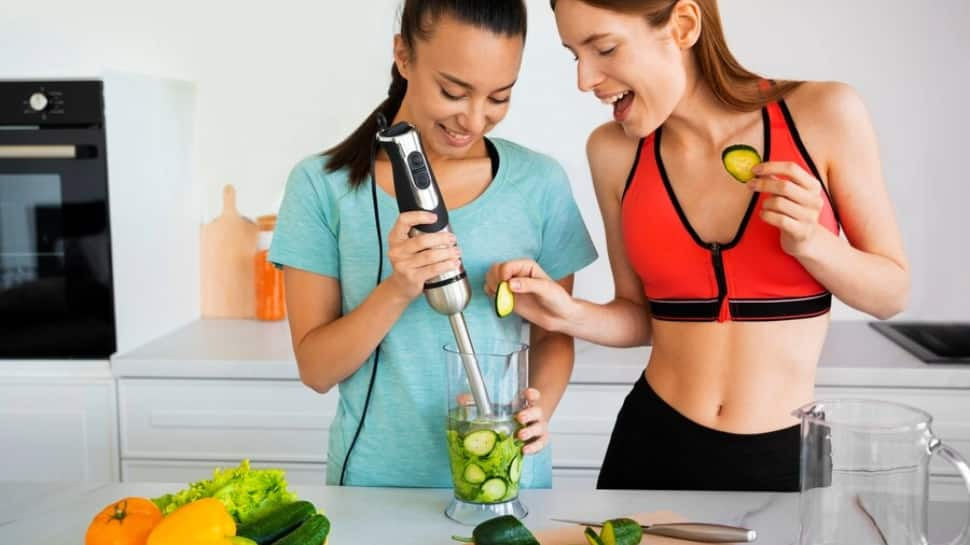
7. Hydration Revelry: Reimagine hydration with infused water, utilizing the freshest selection of fruits and vegetables. Add slices of citrus fruits, cucumber, or mint for a refreshing beverage that not only supports fitness goals but also tantalizes the taste buds.
New Delhi [India], December 2: In a world where snacking has become associated with guilt and unhealthy choices, Bonvie is here to revolutionise the game. Bid Farewell to empty calories and welcome to delicious and nutritious goodness of indulgence snacks.
We are thrilled to introduce a groundbreaking paradigm shift in the snacking industry with the launch of Bonvie’s Healthier Snacking Revolution–a culinary journey that promises to nourish your body and delight your taste buds like never before!
Process of making:
1. Pre Freezing: Premium fruits and vegetables are first cleaned and sliced by our experts followed by freezing them below – 0°F.
2. Vacuum Drying: 93 per cent of the moisture is extracted from it.
3. Secondary Drying: More heat is used to dry the fruit completely.
Bonvie recognizes the current society’s need for convenient snacking away from home. But convenience should not be at the price of health. Here’s why Bonvie is a game-changer in the realm of snacks:
Authentic, Natural Ingredients: Bonvie’s freeze-dried fruits are natural, with no added flavours, colours or preservatives. In every bite, there is purity and natural goodness.
Nutrient-Dense: Bonvie preserves the essential vitamins, minerals, and antioxidants present in fresh whole fruits through freeze-drying. Therefore, you will derive all the nutrients from this without the need for refrigeration.
Convenience at Your Fingertips: Bonvie’s snack is packed in sealed containers to keep the favourite fruits of the consumer fresh for enjoyment at anytime anywhere. You just throw them into your bag, backpack, or lunchbox and you’re good to go! It’s the yummiest midday treat for those who don’t have time for that.
Dietary Inclusivity: Bonvie snacks are vegan and do not contain any gluten thus catering for particular nutritional preferences and requirements. So, many can savour Bonvie’s goodness.
Mindful Snacking Redefined: Bonvie’s Healthier Snacking Revolution is not just about what you eat; it’s about how you eat. We encourage mindful snacking, savoring each moment of your culinary experience. Our snacks are designed to satisfy your cravings while promoting a healthier lifestyle, ensuring you can snack guilt-free and with full mindfulness.
Bonvie’s Healthy Snacking Made Easy: These include their freeze-dried fruits as they offer a guilt-free pleasure to satisfy your sweet tooth or a healthy addition to your daily diet. When it comes to lunch boxes for kids, afternoon treats in the office, excursions or simple enjoyment of their beloved movie, Bonvie offers all sorts of products.
The inherent taste of fruits is what makes Bonvie Snacks just so exquisite. Every bite is like an explosion in the mouth that would make you plead for more.
The Benefits:
* Nutrient Retention:
– Freeze-drying preserves the original nutrients of the fruits.
* Flavor and Color Preservation:
– Maintains the natural taste and vibrant color of the fruits.
* Extended Shelf Life:
– Removal of moisture enhances preservation, leading to a longer shelf life upto 24 months.
* Convenience:
– Lightweight and doesn’t require refrigeration, making them easy for on-the-go snacking.
* Texture and Shape:
– Maintains the original texture and shape, providing a crunchy experience.
* Versatility:
– Suitable for various uses, from snacking to adding to smoothies, cereals or yogurt.
* No Additives:
– Often free from additives or preservatives, offering a more natural option.
* Travel-Friendly:
– Ideal for travel due to their lightweight and non-perishable nature.
* Year-Round Availability:
– Enjoy seasonal fruits at any time of the year.
* Reduced Waste:
– Minimizes food waste by preventing fruits from spoiling.
How freeze-dried fruits can be used in various applications?
* Trail Mix and Snacking:
– Create your own trail mix by combining freeze-dried fruits with nuts and seeds for a nutritious and portable snack.
* Cereal and Yogurt Toppings:
– Sprinkle freeze-dried fruits on cereals or yogurt to add a burst of flavor and extra nutrients.
* Smoothie Boost:
– Blend freeze-dried fruits into smoothies for a concentrated fruity flavor without the added water content.
* Baking and Cooking:
– Incorporate freeze-dried fruits into baking recipes like muffins, cakes, or cookies for a natural fruity taste.
* Infused Water or Tea:
– Drop freeze-dried fruits into water or tea to add a subtle fruity infusion without the mess of fresh fruits.
* Ice Cream or Dessert Garnish:
– Use freeze-dried fruits as a colorful and crunchy topping for ice cream, puddings, or other desserts.
* Cocktail or Mocktail Ingredient:
– Crush freeze-dried fruits to rim glasses or use as a flavorful garnish in cocktails or mocktails.
* Culinary Decoration:
– Garnish salads, cheese platters, or desserts with whole or crushed freeze-dried fruits for an aesthetically pleasing touch.
* Baby Food:
– Grind freeze-dried fruits into a powder to add natural sweetness and nutrients to homemade baby food.
* Emergency Food Supply:
– Due to their long shelf life, include freeze-dried fruits in emergency food supplies for a nutritious and lightweight option.
* Gifts and DIY Treats:
– Create personalized gifts by packaging freeze-dried fruits with other snacks or as part of a homemade granola mix.
Join the Movement: Bonvie invites you to be part of the Healthier Snacking Revolution. Discover a world where taste and nutrition coexist harmoniously, and where your snack time becomes a celebration of well-being. Say yes to a healthier you, one delicious bite at a time.
Enjoy the best of both, without sacrificing taste and health. Choose Bonvie.
(ADVERTORIAL DISCLAIMER: The above press release has been provided by India PR Distribution. ANI will not be responsible in any way for the content of the same)
This story is auto-generated from a syndicated feed. ThePrint holds no responsibility for its content.
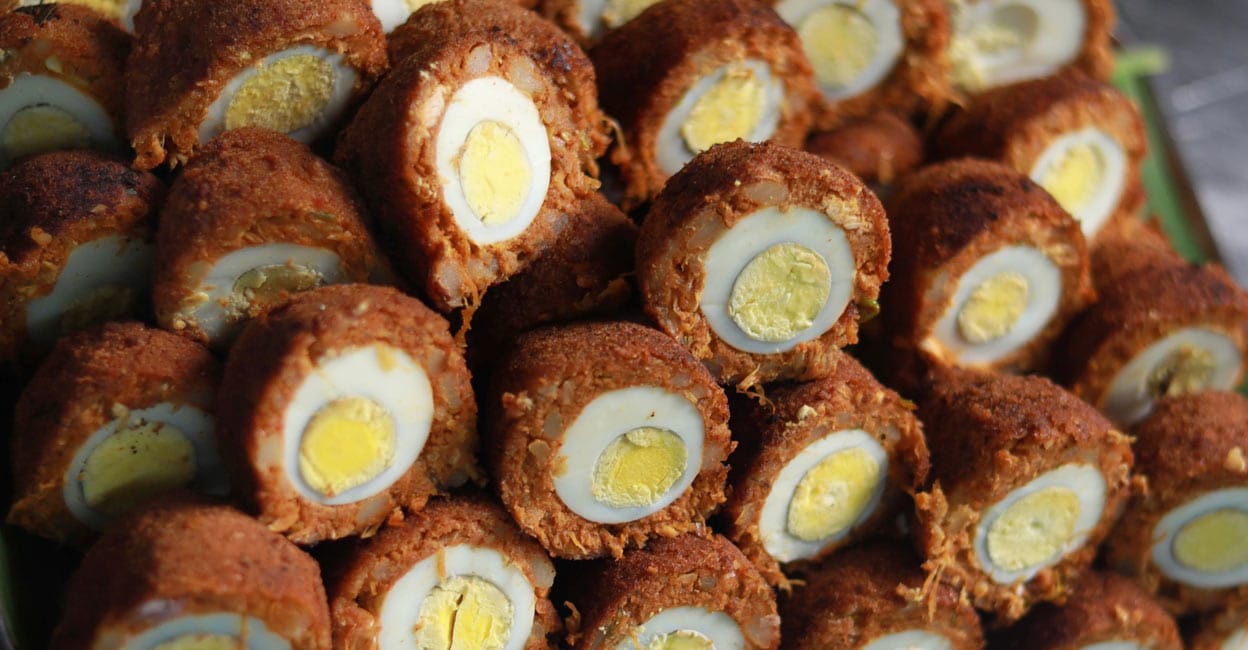
Thenga muri is an egg kebab-style preparation that tastes the best with tomato sauce or coconut chutney. The snack, which's popular in Thalassery, is also a much-loved Iftar preparation. Try it with your evening tea and also as a surprise dish for your guests.
Preparation
Heat oil in a pan, temper fennel seeds and add garlic, ginger, onion, curry leaves, and green chilly
Sauté it until it turns transparent and add all the seasonings and boiled potatoes
Add the chopped coriander leaves and mash well
Make a thick masala
Take the boiled egg and coat the egg with the prepared masala in a coconut-shape
Dip into the beaten eggs and coat with bread crumbs
Deep fry in sunflower oil until it turns golden brown
Enjoy the snack